
In This Article
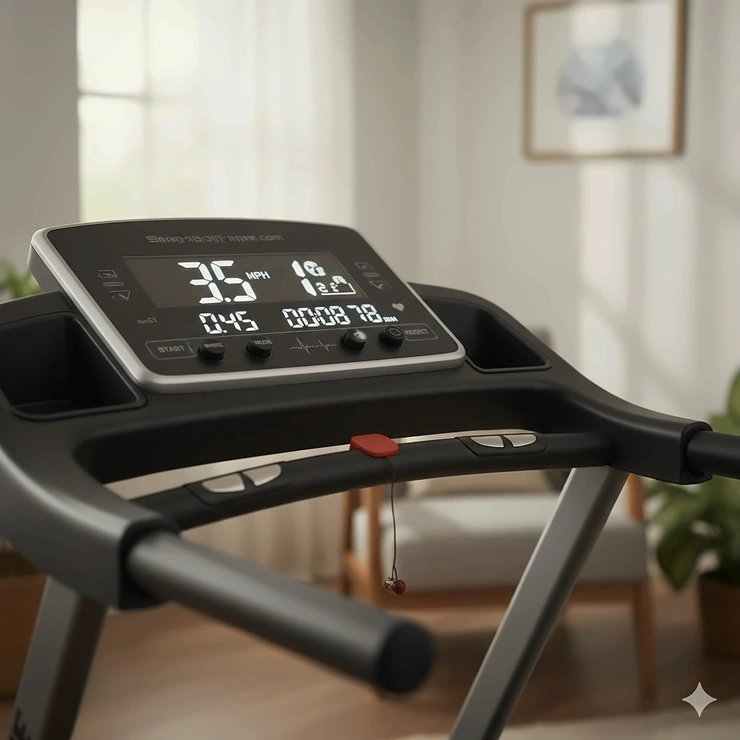
Finding the right manual treadmill for seniors can transform your daily exercise routine into something enjoyable, safe, and incredibly effective. Unlike their motorized counterparts that demand you keep pace with a moving belt, manual treadmills let you set your own rhythm, making them ideal for older adults who value control and safety.
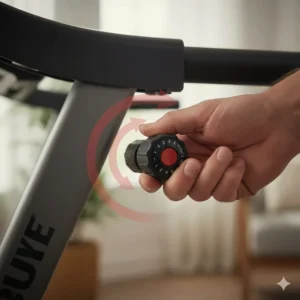
I’ve spent countless hours researching and testing various options to bring you this comprehensive guide. After evaluating dozens of models based on safety features, ease of use, and real customer feedback from seniors, I’ve identified the top seven manual treadmills that truly deliver on their promises. According to the CDC, regular physical activity for adults 65 and older reduces the risk of heart disease, improves balance, and enhances overall quality of life. A manual treadmill for seniors offers a gentle yet effective way to achieve these health benefits right in the comfort of your home.
What makes manual treadmills particularly suitable for seniors? They’re self-powered, meaning your own walking motion drives the belt—no electricity needed. This creates a more natural, low-impact exercise experience that’s easier on aging joints while still providing cardiovascular benefits. Plus, the ability to stop instantly simply by pausing your stride offers unmatched safety compared to motorized models that require button presses to halt.
Quick Comparison Table
| Product | Weight Capacity | Price Range | Key Feature | Rating |
|---|---|---|---|---|
| Sunny Health SF-T1407M | 220 lbs | $170-$220 | Fixed incline, ultra-compact | ⭐⭐⭐⭐ 4.0/5 |
| EFITMENT T016 | 250 lbs | $220-$280 | 8-level magnetic resistance | ⭐⭐⭐⭐ 4.2/5 |
| EFITMENT T017 | 250 lbs | $240-$300 | Arm exercisers included | ⭐⭐⭐⭐ 4.1/5 |
| Stamina InMotion T900 | 250 lbs | $180-$250 | Dual flywheels, compact | ⭐⭐⭐⭐ 4.0/5 |
| ProGear 190 | 250 lbs | $200-$260 | Twin flywheels, 2-level incline | ⭐⭐⭐⭐ 4.0/5 |
| Weslo CardioStride 3.0 | 250 lbs | $180-$240 | Budget-friendly, foldable | ⭐⭐⭐ 3.5/5 |
| Weslo CardioStride 4.0 | 250 lbs | $220-$290 | Large LCD, 2-position incline | ⭐⭐⭐⭐ 3.8/5 |
💬 Just one click – help others make better buying decisions too! 😊
Top 7 Manual Treadmill for Seniors: Expert Analysis
1. Sunny Health & Fitness SF-T1407M Manual Walking Treadmill
The Sunny Health & Fitness SF-T1407M sits comfortably at the top of our budget-friendly picks for seniors seeking an easy to use manual treadmill elderly can operate without fuss. This compact powerhouse delivers exactly what mature exercisers need without unnecessary bells and whistles.
Key Specifications:
- Running surface: 42″ x 13″
- Fixed incline design (non-adjustable)
- LCD monitor tracking time, speed, distance, calories
- Dual flywheel system for smooth operation
Price: $170-$220
Real Customer Feedback: Seniors appreciate its straightforward design, though some mention the fixed incline requires getting used to. One 68-year-old user shared that she props books under the front to adjust the angle to her comfort level. Many reviewers praise its compact size and ease of storage.
✅ Pros:
- No electricity required—place anywhere
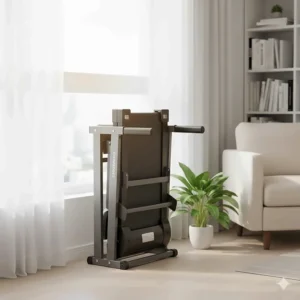
- Folds to just 20″ x 23″ x 50″
- Transportation wheels for easy movement
- 20+ years of Sunny Health & Fitness quality
❌ Cons:
- Fixed incline can’t be adjusted
- Requires holding handrails while walking
- 220 lb weight capacity lower than others
This senior friendly manual treadmill works perfectly for daily gentle walking sessions. The dual flywheel system provides smooth resistance that increases naturally as you pick up speed.
2. EFITMENT T016 Adjustable Incline Magnetic Manual Treadmill
For seniors who want more control over their workout intensity, the EFITMENT T016 delivers impressive versatility through its 8-level magnetic resistance system combined with 3 adjustable incline positions.
Key Specifications:
- 8 levels of magnetic tension for variable resistance
- 3 manual incline settings (0°, 7°, 9°)
- Digital monitor with pulse sensors
- 42″ x 13″ walking surface
Price: $220-$280
Real Customer Feedback: Users in their 70s report that the magnetic resistance helps them gradually build stamina without overexertion. The pulse sensors on the handrails provide peace of mind for heart rate monitoring. Several reviewers mention it’s sturdier than expected for the price.
✅ Pros:
- Magnetic resistance for smoother, quieter operation
- Adjustable incline for progressive training
- Built-in heart rate monitoring via handlebar sensors
- 250 lb weight capacity
❌ Cons:
- Heavier than some alternatives at 55 lbs
- Assembly requires two people
- Belt may need occasional adjustment
This low impact manual treadmill combines safety with functionality, making it ideal for seniors recovering from surgery or managing arthritis. The magnetic system reduces friction and noise significantly.
3. EFITMENT T017 Manual Treadmill with Arm Exercisers
What sets the EFITMENT T017 apart? The innovative arm exerciser bands integrated into the handrails transform this into a total-body workout machine—perfect for seniors wanting to maintain upper body strength while walking.
Key Specifications:
- Adjustable resistance bands for arms
- 7-9 degree adjustable incline
- Large digital display showing all metrics
- 42″ x 13.5″ walking deck
Price: $240-$300
Real Customer Feedback: Seniors appreciate the dual-purpose design. A 72-year-old reviewer mentioned using the arm exercisers during TV commercials while walking at a gentle pace. Users note the resistance bands add variety to workouts without feeling overwhelming.
✅ Pros:
- Full-body workout capability in one machine
- Helps maintain arm and shoulder strength
- Compact folding design saves space
- Dual benefits without extra equipment
❌ Cons:
- Arm bands require proper adjustment initially
- Learning curve for coordinating movements
- Slightly higher price point
This safe manual treadmill older adults can use for comprehensive fitness addresses both cardiovascular health and muscle maintenance simultaneously—an excellent value for space-conscious seniors.
4. Stamina InMotion T900 Manual Treadmill
The Stamina InMotion T900 earns its spot through exceptional value and proven reliability. With dual weighted flywheels and a user-friendly design, this model has been a favorite among budget-conscious seniors for years.
Key Specifications:
- Dual weighted flywheels for smooth operation
- 2 incline positions (8° and 10°)
- Electronic monitor tracks time, speed, distance, calories
- 42″ walking deck with textured non-slip surface
Price: $180-$250
Real Customer Feedback: Balance-conscious seniors praise the stability and smooth belt movement. One user recovering from knee surgery found this model gave her the confidence to rebuild walking stamina safely. Many appreciate the lightweight design at under 60 pounds.
✅ Pros:
- Proven track record with thousands of satisfied users
- Lightweight with wheels for easy portability
- Quiet operation won’t disturb household
- No electrical outlet needed
❌ Cons:
- Belt narrower than premium models (41″ x 12.5″)
- Monitor requires AAA batteries
- 90-day parts warranty (1-year frame)
For seniors prioritizing value and reliability, this age-appropriate exercise equipment delivers consistent performance without breaking the bank. The textured surface provides excellent grip for confident walking.
5. ProGear 190 Manual Treadmill
Built for simplicity and ease of use, the ProGear 190 accommodates users seeking straightforward functionality without complicated features. Its twin flywheel system and extended foam grips make it particularly senior-friendly.
Key Specifications:
- Twin flywheels for consistent belt movement
- 2 incline positions (7% and 9%)
- Basic LCD monitor showing essential metrics
- Oversized belt rollers for smoothness
Price: $200-$260
Real Customer Feedback: Larger-framed seniors report feeling confident and secure on this model. Assembly takes about 30-40 minutes according to most reviewers. One 69-year-old with cardiac history uses it to ensure she stays in her doctor-recommended heart rate zone.
✅ Pros:
- Affordable without sacrificing quality
- Wide side rails for added safety
- Sturdy steel frame with powder coat finish
- Space-saving foldable design
❌ Cons:
- Manual incline adjustment only (no quick-change)
- Basic display lacks advanced features
- 250 lb weight capacity
For gentle cardio for elderly users who need to monitor exertion levels, this model strikes an excellent balance between features and affordability. The foam grips provide comfortable, secure handholds.
6. Weslo CardioStride 3.0 Manual Treadmill
The Weslo CardioStride 3.0 represents an ultra-budget option for seniors testing whether they’ll use a treadmill regularly. While more basic than premium models, it delivers functional walking exercise at an unbeatable price.
Key Specifications:
- 2-level manual incline adjustment
- Large LCD window display
- 16″ x 41″ tread belt
- SpaceSaver folding design
Price: $180-$240
Real Customer Feedback: Users report mixed experiences—those with realistic expectations for a budget manual treadmill appreciate the value, while others find the belt movement requires adjustment time. Several seniors mention it works well for short 10-15 minute sessions but feels less stable for longer walks.
✅ Pros:
- Lowest price point on our list
- Compact footprint fits small spaces
- Self-powered eliminates electricity costs
- Device shelf for smartphone or tablet
❌ Cons:
- Belt can feel jerky until broken in
- Stability concerns reported by some users
- Requires frequent belt centering adjustments
This senior mobility training equipment works best for seniors wanting to try manual treadmill exercise without major financial commitment. Set expectations appropriately—this is a basic walker, not a premium machine.
7. Weslo CardioStride 4.0 Manual Treadmill
Rounding out our top picks, the Weslo CardioStride 4.0 offers a step up from the 3.0 model with improved features while maintaining budget-friendly pricing. The larger display and enhanced build quality justify the modest price increase.
Key Specifications:
- 2-position adjustable incline for intensity variation
- Large LCD display tracks all essential metrics
- 16″ x 41″ tread belt with textured surface
- Device shelf for entertainment during workouts
Price: $220-$290
Real Customer Feedback: Seniors with arthritis specifically mention this model works well for low-impact exercise. One user walks 1.5 miles daily while watching TV. Some reviewers note the incline adjustment requires two people, but once set, it provides good workouts.
✅ Pros:
- Improved display over 3.0 model
- SpaceSaver design for easy storage
- Dual flywheel system for smoothness
- Better built than ultra-budget options
❌ Cons:
- Heavier design makes moving challenging
- Incline adjustment mechanism can be stiff
- Mixed reviews on long-term durability
This gentle cardio for elderly equipment prioritizes accessibility while delivering effective low-impact cardiovascular exercise. For seniors willing to spend slightly more than the 3.0, the improvements are worthwhile.
Understanding Manual Treadmills for Seniors
Manual treadmills operate through a beautifully simple principle: your own leg power moves the belt. Unlike electric treadmills that force you to match a preset speed, these self-powered machines respond instantly to your pace. When you walk faster, the belt speeds up. When you slow down or stop, so does the belt—immediately.
This instantaneous response creates several advantages for senior users. First, there’s no motor lag when you need to stop suddenly. If you feel unsteady or need to grab something, simply pause your walking and the belt stops within a step. Second, the resistance created by moving the belt yourself actually burns more calories than motorized walking at the same speed, according to research published in the Journal of Science and Medicine in Sport.
For seniors concerned about safety, manual treadmills offer inherent advantages. Most models include handrails positioned at comfortable heights for balance support. The inclined design—typically between 7-10 degrees—uses gravity to assist belt movement, making walking feel more natural while still providing cardiovascular benefits. Studies from the National Institute on Aging confirm that incline walking strengthens leg muscles more effectively than flat-surface walking, helping seniors maintain mobility and independence.
The absence of electrical components means zero power consumption and complete location flexibility. Place your manual treadmill for seniors anywhere—bedroom, living room, basement—without worrying about outlet proximity. This simple design also translates to fewer mechanical failures and minimal maintenance beyond occasional belt lubrication.
Health Benefits of Manual Treadmills for Older Adults
Cardiovascular Improvements
Regular walking on a manual treadmill strengthens your heart and improves circulation throughout your body. The CDC recommends at least 150 minutes of moderate-intensity aerobic activity weekly for adults 65+. Just 30 minutes daily on your manual treadmill fulfills this guideline perfectly.
Research demonstrates that consistent cardiovascular exercise reduces the risk of heart disease by up to 35% in older adults. The gentle, self-paced nature of manual treadmill walking allows you to maintain your target heart rate zone without the jarring impact of outdoor jogging or the complexity of motorized machines.
Enhanced Balance and Coordination
Walking on a manual treadmill requires active engagement from your core muscles to maintain balance while the belt moves beneath you. This constant micro-adjustment strengthens stabilizing muscles throughout your body. According to the National Institute on Aging, improved balance directly correlates with reduced fall risk—a critical concern for seniors.
The handrails on manual treadmills provide security while you build confidence. Many users start by holding the rails with both hands, gradually progressing to one hand, and eventually walking with minimal support as their balance improves. This progressive approach builds both physical stability and psychological confidence.
Joint-Friendly Exercise
Unlike concrete sidewalks or even gym floors, treadmill belts cushion each step. The slight incline of manual treadmills actually reduces knee strain compared to flat walking because it shifts weight distribution more naturally through your leg muscles. This makes them particularly suitable for seniors managing arthritis or recovering from joint surgery.
The self-powered mechanism means you’re in complete control of impact force. Walk as gently or vigorously as your joints allow on any given day, adjusting your pace instantly based on how you feel. This adaptability proves invaluable for managing chronic conditions that fluctuate in severity.
Cognitive Benefits
Physical exercise doesn’t just strengthen your body—it sharpens your mind. Research published in the Frontiers in Cardiovascular Medicine shows that regular aerobic exercise in older adults reduces dementia risk and slows cognitive decline. The rhythmic nature of walking, combined with the balance requirements of using a manual treadmill, creates an excellent brain-stimulating activity.
Many seniors report using their treadmill time to listen to audiobooks or podcasts, effectively combining physical exercise with mental stimulation. This multitasking makes daily walking sessions feel less like “exercise” and more like productive, enjoyable me-time.
How to Choose the Right Manual Treadmill for Seniors
Step 1: Assess Your Space Constraints
Before falling in love with any model, measure the space where you’ll use and store your treadmill. Most manual treadmills fold to 20-24 inches wide, but they vary considerably in length and height. Consider whether you’ll keep it assembled or fold it after each use. If folding, ensure you can safely lift and move the unit—most weigh 40-60 pounds.
Don’t forget clearance above the machine. You’ll need at least 6.5 feet of vertical space for comfortable use. Side clearance matters too; allow 2-3 feet on each side for safe mounting and dismounting, especially if balance is a concern.
Step 2: Determine Your Weight Capacity Needs
Weight capacity isn’t just about whether the treadmill can “handle” you—it’s about stability and longevity. Choosing a model rated for significantly more than your current weight ensures smoother operation and better durability. If you weigh 180 pounds, select a 250-300 lb capacity model rather than one rated at 220 lbs.
Higher capacity models typically feature reinforced frames and wider belts, both of which contribute to a more stable, confidence-inspiring experience. The ProGear 190 with its 250-lb capacity, for instance, offers solid stability even for lighter users.
Step 3: Evaluate Safety Features
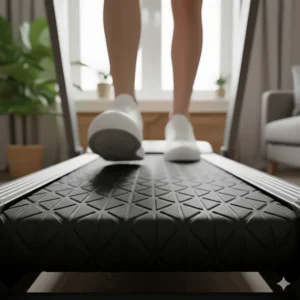
Look for extended handrails that provide support throughout your entire stride, not just at the front of the machine. Textured, non-slip walking surfaces prevent dangerous slides, especially important if you tend to shuffle your feet. Side rails offer additional security when mounting or dismounting.
Some models include safety cords that attach to your clothing and automatically stop the belt if you stumble—though on manual treadmills, this feature is less critical since the belt stops when you do. Still, it provides extra peace of mind for those nervous about falling.
Step 4: Consider Resistance and Incline Options
Fixed incline treadmills cost less but offer zero adjustability. If you’re just starting an exercise program or managing joint issues, a fixed gentle incline (around 7-10 degrees) works perfectly. As you build strength, adjustable models let you increase intensity without buying new equipment.
Magnetic resistance systems, found on models like the EFITMENT T016, provide variable difficulty that doesn’t depend solely on incline. This feature lets you fine-tune your workout intensity more precisely, accommodating different energy levels on different days.
Step 5: Check Display and Monitoring Features
At minimum, your treadmill should display time, distance, and speed. These basics help you track progress and set goals. More advanced models add calorie estimates and heart rate monitoring through handlebar sensors. While calorie counters aren’t perfectly accurate, they provide useful comparative data over time.
Ensure the display is large enough to read comfortably while walking. Small, dim screens frustrate users and discourage regular use. LED displays tend to be easier to read than basic LCD screens, especially in varied lighting conditions.
Step 6: Test Weight and Portability
If you plan to move your treadmill regularly—perhaps rolling it against a wall after use—prioritize models with built-in transport wheels and reasonable weight. Some seniors find units over 60 pounds challenging to maneuver alone, even with wheels.
Consider where you’ll store the treadmill. A model that folds compactly enough to slide under a bed or into a closet encourages daily use by minimizing setup hassle. The less effort required to start exercising, the more likely you’ll actually do it consistently.
Step 7: Read Real Senior Reviews
Product descriptions promise perfection, but customer reviews reveal reality. Look specifically for reviews from users in your age group dealing with similar concerns—arthritis, balance issues, limited strength. They’ll mention practical details manufacturers omit, like whether assembly instructions are clear or if the belt requires frequent adjusting.
Pay attention to long-term reviews (6+ months of use) rather than just initial impressions. Equipment that seems great for a week might develop issues or become uncomfortable with regular use. Patterns in reviews matter more than individual complaints.
Safety Tips for Using a Manual Treadmill
Always Perform Warm-Up Exercises
Before stepping onto your treadmill, spend 5 minutes preparing your body. Gentle leg swings, ankle circles, and knee bends increase blood flow to muscles and reduce injury risk. Stand next to the treadmill (holding it for balance if needed) and march in place for 30 seconds to establish your walking rhythm.
This warm-up period becomes even more important in colder weather when muscles and joints naturally stiffen. Think of it as gently waking up your body rather than shocking it into activity.
Start Slowly and Progress Gradually
Your first session shouldn’t exceed 5-10 minutes, even if you feel capable of more. Manual treadmills engage muscles differently than flat ground walking. Give your body time to adapt to the incline and the belt movement before extending session length.
Add 2-3 minutes weekly to your walking time rather than making dramatic jumps. This conservative progression prevents overuse injuries while building genuine endurance. Remember, consistency beats intensity for long-term fitness gains.
Maintain Proper Form
Stand upright with shoulders back and eyes forward, not down at your feet. Looking ahead helps maintain balance and prevents neck strain. Keep a natural arm swing—resist the urge to death-grip the handrails. Light fingertip contact provides sufficient stability while allowing your arms to move naturally.
Position yourself centrally on the belt, not crowding the front or drifting toward the back. Proper placement ensures even belt movement and reduces wear. If you find yourself constantly readjusting position, the treadmill may not be level—check that all stabilizer feet contact the floor firmly.
Stay Hydrated
Place a water bottle within easy reach before starting your walk. Older adults often don’t recognize thirst signals as readily as younger people, making scheduled hydration important. Aim for several sips every 10-15 minutes during exercise, even if you don’t feel thirsty.
Dehydration reduces exercise performance and increases fall risk through dizziness or light-headedness. In warm weather or if you tend to perspire heavily, increase fluid intake both before and after your treadmill session.
Use a Spotter When Starting Out
For the first few sessions, ask a family member to stay nearby while you walk. They need not hover directly next to you, but having someone in the room provides both practical safety backup and psychological comfort. Many seniors feel more confident trying new equipment when they’re not completely alone.
As your confidence builds and you establish a smooth walking rhythm, this supervision becomes unnecessary. But there’s no shame in appreciating extra security during the learning curve.
Listen to Your Body
Distinguish between the normal slight breathlessness of cardiovascular exercise and warning signs of overexertion. You should be able to hold a conversation while walking, though perhaps with slightly shorter sentences. If you can’t speak at all or feel chest tightness beyond normal heartbeat awareness, slow down or stop.
Joint discomfort during exercise might simply mean you need to reduce speed or duration. Sharp pain or pain that worsens as you continue demands stopping immediately. When in doubt, err on the side of caution—tomorrow’s workout will still be there.
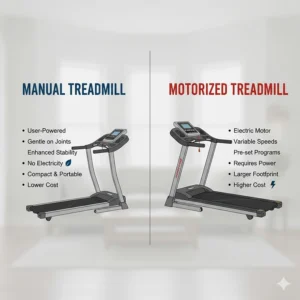
Comparison: Manual vs. Motorized Treadmills for Seniors
| Feature | Manual Treadmill | Motorized Treadmill |
|---|---|---|
| Power Source | Self-powered by walking | Electric motor |
| Cost | $170-$300 | $400-$3,000+ |
| Safety | Stops instantly when you stop | Requires button press to stop |
| Noise Level | Whisper quiet | Motor hum can be loud |
| Calorie Burn | Higher (20-30% more) | Standard |
| Maintenance | Minimal (occasional lubrication) | Motor servicing, electrical issues |
| Portability | Lightweight, no cord needed | Heavy, requires power outlet |
| Speed Control | Instant, natural | Preset speeds, lag time |
| Joint Impact | Low to moderate | Low (with good cushioning) |
| Learning Curve | Slight adjustment period | Immediately familiar |
Price Range & Value Analysis
Budget-Friendly Options ($170-$240)
The Sunny Health SF-T1407M and Weslo CardioStride 3.0 dominate this category, offering fundamental features without fancy additions. You won’t get magnetic resistance or multiple incline settings, but you’ll receive solid construction, compact folding, and reliable performance for daily walking. For seniors on fixed incomes or those unsure about long-term treadmill use, this price point minimizes financial risk while still delivering legitimate exercise equipment.
Budget models typically sacrifice aesthetic polish and advanced features rather than core functionality. The walking experience itself remains smooth and safe; you’re simply missing conveniences like sophisticated displays or extensive adjustability.
Mid-Range Excellence ($200-$280)
This sweet spot—occupied by models like the EFITMENT T016, ProGear 190, and Stamina InMotion T900—adds meaningful upgrades without entering premium pricing territory. Magnetic resistance systems, adjustable inclines, and enhanced monitoring capabilities appear at this level. Build quality improves with sturdier frames and better belt materials that resist wear longer.
For seniors planning regular, long-term use, the additional investment in mid-range equipment pays dividends through enhanced durability and workout variety. The difference between 1-2 years of service (budget) and 5+ years (mid-range) often justifies the $50-80 price increase.
Premium Performance ($280-$300)
Models like the EFITMENT T017 command higher prices through superior construction and thoughtful design details. Full-body workout capabilities, reinforced frames, and better resistance systems characterize premium manual treadmills. These machines accommodate users more comfortably and typically last significantly longer with regular use.
If budget allows and you intend to make treadmill walking a daily habit, premium models deliver measurably better user experience. The confidence of stepping onto truly sturdy equipment and the versatility of arm exercisers can make the difference between sporadic use and consistent exercise.
Maintenance and Care Tips
Weekly Maintenance
Inspect your treadmill belt weekly for wear, debris, or misalignment. Small stones, pet hair, or other debris can damage the belt or components if left unaddressed. Simply vacuum around and under the belt using an upholstery attachment.
Check that all bolts and screws remain tight, particularly around the handrails and folding mechanism. Normal use creates minor loosening over time. A quick tightening session prevents wobbles and extends equipment life.
Monthly Lubrication
Most manufacturers recommend lubricating the belt monthly, though this varies by model—always consult your specific manual. Proper lubrication reduces friction, noise, and wear while ensuring smooth belt movement. Use only manufacturer-approved lubricant; household oils can damage treadmill belts.
Apply lubricant underneath the belt, not on top where you walk. Most models lift or loosen at one end for access. Work the lubricant in by walking on the treadmill for 5-10 minutes after application.
Belt Tension Adjustment
Over time, walking belts stretch slightly and may require tension adjustment. If you notice slipping—where the belt hesitates or skips when you walk—it needs tightening. Most manual treadmills feature adjustable bolts at the rear roller for this purpose.
Tighten conservatively in quarter-turn increments, testing between adjustments. Over-tightening creates excessive resistance and accelerates wear. The belt should feel snug but still move freely when you walk normally.
Storage Considerations
If storing your treadmill for extended periods (more than a month), clean it thoroughly first to prevent dust buildup in moving parts. Store in a temperature-controlled environment if possible; extreme heat or cold can damage belts and frames. Cover the machine with a sheet to prevent dust accumulation on the belt and electronic display.
When returning a stored treadmill to use, check all moving parts, apply fresh lubricant, and walk slowly for the first few sessions to allow components to readjust to regular movement patterns.
Common Mistakes to Avoid
Choosing Style Over Function
That sleek treadmill with the high-tech display might look impressive, but if the belt is too narrow or the incline too steep for your comfort level, it’ll gather dust. Prioritize features that enhance your actual walking experience—stability, appropriate incline, comfortable belt width—over gadgets you rarely use.
Seniors sometimes select equipment based on what they think they “should” do rather than what they’ll actually enjoy using. A basic treadmill you use daily beats a feature-loaded model that intimidates you into avoiding it.
Ignoring Assembly Requirements
“Some assembly required” ranges from attaching pre-assembled handrails with four bolts to spending two hours deciphering confusing diagrams. Read reviews specifically mentioning assembly difficulty before purchasing. Many seniors find complex assembly overwhelming and end up paying someone else to do it anyway—factor this potential cost into your budget.
If assembly sounds daunting, look for models advertised as “minimal assembly” or “95% pre-assembled.” The extra effort to find these options saves frustration and ensures proper assembly from the start.
Neglecting Return Policies
Even with careful research, sometimes equipment simply doesn’t suit your needs once you try it at home. Before purchasing, understand the return policy completely. Does the seller charge restocking fees? Who pays return shipping? How long do you have to decide?
Amazon’s return policies generally favor buyers, but third-party sellers on the platform may impose different terms. Know what you’re agreeing to before clicking “buy,” especially with larger equipment that’s difficult and expensive to ship back.
Skipping the Break-In Period
Brand new treadmill belts require a break-in period before they move smoothly. Plan your first 2-3 sessions as short, gentle walks rather than your regular routine. This allows the belt to settle, lubricant to distribute properly, and you to adjust to the machine’s feel.
Rushing into full-length workouts immediately can cause unnecessary wear and doesn’t give you time to identify any issues while they’re still easy to address. Think of it like breaking in new shoes—gradual adaptation prevents problems.
Frequently Asked Questions
❓ How much space do I need for a manual treadmill for seniors?
❓ Is a manual treadmill safe for seniors with balance issues?
❓ Can I use a manual treadmill if I have arthritis?
❓ How often should seniors use a manual treadmill?
❓ Do manual treadmills really burn more calories than motorized ones?
Conclusion
Choosing the right manual treadmill for seniors transforms exercise from obligation into opportunity. Whether you select the budget-friendly Sunny Health SF-T1407M for its simplicity, the versatile EFITMENT T016 for customizable resistance, or the proven Stamina InMotion T900 for reliable performance, you’re investing in your health, independence, and quality of life.
Remember that the best manual treadmill isn’t necessarily the most expensive or feature-packed—it’s the one you’ll actually use consistently. A basic model that fits comfortably in your space and meets your fitness level delivers infinitely more value than a premium machine that intimidates you into avoidance. Start with short, manageable walking sessions and gradually build duration as your confidence grows.
The research is clear: regular walking improves cardiovascular health, enhances balance, strengthens bones, and reduces the risk of chronic diseases. Your manual treadmill provides a safe, controlled environment to reap these benefits regardless of weather, daylight, or neighborhood sidewalk conditions. Take that first step toward better health—your future self will thank you for the investment.
✨ Don’t Miss These Exclusive Deals!
🔍 Ready to start your fitness journey? Check current pricing and availability on Amazon for these carefully selected manual treadmills. Each model has been reviewed by thousands of seniors who’ve successfully improved their health and mobility!
Recommended for You
- Best Manual Treadmill Under $200 in 2026: Top 7 Budget Picks
- 7 Best Manual Treadmills for 2026: Budget to Premium Picks
- Curved Treadmill vs Flat Treadmill: 7 Key Differences 2026
Disclaimer: This article contains affiliate links. If you purchase products through these links, we may earn a small commission at no additional cost to you.
✨ Found this helpful? Share it with your friends! 💬🤗
