
In This Article
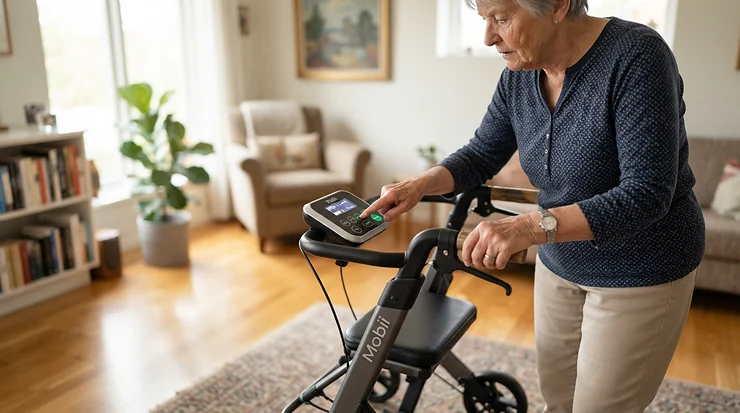
A bad knee has a way of turning a simple errand into a math problem — can I make it to the mailbox and back without paying for it later? If you’re rebuilding strength after surgery, managing osteoarthritis, or just trying to keep a stiff joint moving, your physical therapist has probably said some version of “walk more, just walk smart.” That’s exactly where a budget treadmill for knee rehab earns its keep. A budget treadmill for knee rehab is a home treadmill priced well under commercial rehab equipment that still offers the cushioning, low starting speeds, and gentle incline control needed to support joint-friendly walking under a PT-guided plan.
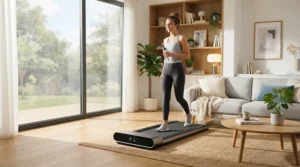
The tricky part is that “budget” and “safe for a healing joint” don’t always show up on the same spec sheet. Plenty of cheap machines skimp on the one thing that matters most here — deck cushioning — in favor of flashy extras nobody recovering from a knee injury actually needs. Regular movement genuinely helps people with joint pain manage symptoms, mood, and function, and it’s safe to do in small, manageable doses. So the goal of this guide isn’t just “cheapest treadmill.” It’s finding a home treadmill for physical therapy that respects your rehab timeline, your budget, and your knee, in that order.
We researched seven real, currently available models spanning true entry-level machines to a few slightly pricier options worth stretching for, based on published specs and aggregated tester feedback from outlets like BarBend, Garage Gym Reviews, and Consumer Reports. None of us have personally tested these units for this article, so every claim below is drawn from that published research rather than firsthand use — and we’ll flag it clearly wherever the record is thin. Let’s find the machine that fits your recovery, not just your living room.
Quick Comparison Table
| Treadmill | Best For | Price Range |
|---|---|---|
| Sunny Health & Fitness SF-T4400 | Tightest budgets, shorter strides | Under $400 |
| XTERRA TR150 | Small apartments, compact footprint | Under $500 |
| Horizon Fitness T101 | Best warranty-to-price ratio | $600-$700 range |
| Schwinn 810 | Motorized incline on a budget | Mid-$800s |
| LifeSpan TR1200i | Low step-up, post-injury walkers | Around $1,100-$1,300 |
| NordicTrack T 6.5 S | Adjustable cushioning firmness | $700-$900 range |
| Sole F63 | Best overall cushioning and durability | $1,200-$1,400 range |
Looking at the spread above, there’s a real budget tier under $500 (the Sunny Health & Fitness SF-T4400 and XTERRA TR150), a sweet-spot middle tier between $600 and $900 where motorized incline starts showing up, and a “worth stretching for” tier near $1,200-$1,400 where deck cushioning gets noticeably better. Most knee rehab walkers don’t need the top tier — but if joint pain is severe, the extra cushioning investment tends to pay for itself in comfort.
💬 Which price tier fits your rehab budget? Click any highlighted model above to check today’s price and availability.
Top 7 Budget Treadmills for Knee Rehab: Expert Analysis
1. Sunny Health & Fitness SF-T4400 — most affordable entry point under $400
If your rehab plan calls for slow, steady walking and nothing more aggressive, the Sunny Health & Fitness SF-T4400 covers the basics without asking you to spend real money. The 2.2 HP motor tops out around 9 mph, which sounds limiting until you remember that most knee rehab walking happens at 2-3.5 mph anyway — this motor was never going to be the bottleneck. Three manual incline positions (0%, 2%, and 4.37%) let you add light grade work once your therapist clears it, though you’ll need to step off the belt to change settings.
This is a machine built for people who don’t need much, and it knows it: the 49-inch by 16-inch deck suits shorter strides and casual walking sessions rather than long runs. Reviewers at outlets like BarBend and OutdoorGearLab consistently describe it as a solid, no-frills option for lighter, less frequent use — useful context if your PT exercise plans call for daily 15-20 minute walking sessions rather than marathon training. It’s also one of the more popular budget treadmills on the market, with thousands of aggregated Amazon ratings cited by independent reviewers as evidence of its staying power among casual home users.
Pros:
- ✅ Lowest price point of any model on this list
- ✅ Built-in heart rate sensors on the handrails
- ✅ Compact footprint fits small rehab spaces easily
Cons:
- ❌ Narrow, short deck limits stride length for taller users
- ❌ Manual incline can’t be adjusted mid-walk
Priced well under $400, the Sunny Health & Fitness SF-T4400 is the easiest “just get started” buy on this list — the value only breaks down if you need a longer deck or a higher weight capacity.

2. XTERRA TR150 — most compact footprint for small apartments
The XTERRA TR150 solves a problem a lot of rehab shoppers don’t think about until moving day: where does this thing actually go? At roughly 63 inches long and 29 inches wide when unfolded, it’s one of the smaller motorized treadmills you’ll find, which matters if you’re doing PT walks in a spare bedroom or a corner of the living room rather than a dedicated gym.
Under the hood is a 2.25 HP motor with a 0.5-10 mph range and a 16-inch by 50-inch belt — plenty for controlled walking, less so for anyone hoping to eventually run on it. Three manual incline positions cap out around a modest 5% grade. Garage Gym Reviews and BarBend both note the machine’s lifetime frame warranty as a standout for the price, alongside a fairly low 250-pound weight capacity that’s worth checking against your own needs before buying.
Aggregated tester sentiment paints the TR150 as dependable for walking and light use, with one review outlet specifically flagging it as suitable for active seniors thanks to its manageable size and simple, one-touch speed controls — a detail worth weighing if balance or mobility is part of your recovery picture.
Pros:
- ✅ Smallest footprint of any model in this roundup
- ✅ Lifetime frame warranty even at a sub-$500 price
- ✅ Simple one-touch speed buttons, no learning curve
Cons:
- ❌ 250-pound weight capacity is below the category average
- ❌ No Bluetooth or app connectivity
For under $500 in most listings, the XTERRA TR150 earns its spot as the space-saving pick — just measure your doorways and your own weight against that 250-pound ceiling first.
3. Horizon Fitness T101 — best warranty-to-price ratio under $700
Warranties tell you what a manufacturer actually believes about their own product, and the Horizon Fitness T101 backs itself with a lifetime frame and motor warranty at a price point — typically listed between $599 and $699 — where most competitors offer three years at best. That’s the kind of detail an expert commentary section exists to flag, because it’s easy to miss on a spec sheet between the incline numbers and the screen size.
The 2.5 CHP motor pushes speeds up to 10 mph across a 20-inch by 55-inch deck, noticeably roomier than the two budget picks above it. What sets the T101 apart for knee rehab specifically is its 3-Zone Variable Response Cushioning System, which softens the impact zone under your heel while keeping the push-off zone firmer for stability — a meaningful distinction for anyone whose knee flares up on hard, unforgiving surfaces.
Multiple outlets, including BarBend and Garage Gym Reviews, rate the T101 highly for build quality relative to cost, and it has repeatedly landed on “best budget treadmill” lists through 2026. One independent reviewer did flag the absence of a rear safety catch bar as a household safety consideration, particularly relevant if pets or kids share the space.
Pros:
- ✅ Lifetime frame and motor warranty, rare below $700
- ✅ 3-zone cushioning system targets heel impact specifically
- ✅ Bluetooth connectivity for app-based tracking
Cons:
- ❌ No rear safety catch bar noted by one reviewer
- ❌ Parts and labor coverage limited to one year
At $599-$699, the Horizon Fitness T101 is the pick for buyers who want the best long-term protection their money can buy without moving into four-figure territory.
4. Schwinn 810 — motorized incline at a budget-adjacent price
Manual incline is fine, but motorized incline changes how a rehab session actually feels — no stepping off, no fumbling with pop-pins, just a button press that lets your PT exercise plans include structured grade progressions. The Schwinn 810 brings a 10% motorized incline and a 2.6 CHP motor to a price around $899, undercutting most other treadmills that offer powered grade adjustment.
The 20-inch by 55-inch belt is comparably sized to the Horizon T101, and Schwinn’s SoftTrak cushioning system is marketed specifically around reducing joint impact. Here’s where honest analysis matters more than marketing copy, though: one Garage Gym Reviews tester explicitly said they wouldn’t recommend the 810 for bad knees or joint pain, finding the cushioning underwhelming relative to Schwinn’s claims. That’s a genuinely useful data point if joint comfort is your top priority, and it’s worth weighing against the machine’s other strengths.
Where the 810 does shine is value density — Bluetooth connectivity, a 16-program console, and a 10-year frame and motor warranty, all under $900. For rehab walkers who prioritize incline programming over maximum cushioning, it still earns a place on this list; for those with more sensitive joints, it’s worth cross-shopping against the T101 or LifeSpan TR1200i below.
Pros:
- ✅ 10% motorized incline, rare at this price tier
- ✅ Wide 55-inch deck for a budget-adjacent machine
- ✅ Quiet motor operation reported across multiple reviews
Cons:
- ❌ One tester found cushioning underwhelming for joint pain
- ❌ Motor is on the weaker side for sustained running
Around $899, the Schwinn 810 is best suited to rehab walkers whose knees tolerate moderate cushioning and who specifically want push-button incline control for structured PT progressions.
5. LifeSpan TR1200i — best low step-up for post-injury walkers
Step-up height rarely makes it onto a shopping checklist, but if your knee is swollen, stiff, or still guarded from a recent procedure, a low, easy-to-mount deck is a genuinely practical feature. The LifeSpan TR1200i is specifically described by reviewers as easy to use for older adults and people recovering from an accident — language that lines up closely with what knee rehab actually requires day to day.
Powering the deck is a 2.5 CHP motor with speeds up to 11 mph and 15 levels of motorized incline, controlled through arm-mounted buttons so you never have to look down mid-stride. The standout feature for joint protection is a set of eight compression shock absorbers built into the deck, which reviewers consistently point to as the mechanism behind the machine’s noticeably cushioned feel compared to cheaper competitors.
At a typical listed range of roughly $1,100-$1,300, the TR1200i sits above the strict budget tier, but the combination of motorized incline, dedicated shock absorption, and a lifetime frame and motor warranty makes a reasonable case for stretching the budget if your rehab plan is long-term rather than a few weeks of light walking.
Pros:
- ✅ Eight compression shock absorbers built for joint protection
- ✅ 15 motorized incline levels controlled from the handrails
- ✅ Low step-up height suited to limited mobility
Cons:
- ❌ Full data tracking requires a paid subscription after 4 months
- ❌ Motor size limits sustained running use
At roughly $1,100-$1,300, the LifeSpan TR1200i earns its higher price through features that map almost one-to-one onto what a knee rehab plan actually needs.
6. NordicTrack T 6.5 S — adjustable cushioning firmness on demand
Not every rehab day feels the same, and the NordicTrack T 6.5 S is built around that reality with its FlexSelect cushioning system, which lets you toggle the deck between a softer, joint-friendlier feel and a firmer, road-like setting depending on how your knee feels that morning. That kind of flexibility is unusual at this price tier and directly useful for anyone whose symptoms fluctuate day to day.
Specs land solidly in the mid-range: a 2.6 CHP motor, speeds up to 10 mph, a 20-inch by 55-inch deck, and 0-10% motorized incline. The console supports iFit connectivity for guided, trainer-led walking programs, though full functionality requires an ongoing paid membership after the included trial period — worth factoring into any long-term cost comparison. Typical listed pricing for current models runs in the $700-$900 range, positioning it between the Schwinn 810 and the LifeSpan TR1200i.
Garage Gym Reviews and TreadmillReviews.net both single out the adjustable cushioning as the standout feature, specifically framing it as a way to dial back impact on joints when needed. The tradeoff is a smaller 5-inch display that isn’t built for the kind of touchscreen navigation found on pricier NordicTrack models.
Pros:
- ✅ Toggle-able cushioning firmness, unusual at this price
- ✅ Motorized incline pairs well with guided walking programs
- ✅ Compact folding design with assisted lowering
Cons:
- ❌ Small 5-inch display limits app-style navigation
- ❌ Full iFit experience requires an ongoing subscription
In the $700-$900 range, the NordicTrack T 6.5 S is the pick for rehab walkers who want their cushioning to adapt to a good day versus a bad one.
7. Sole F63 — best overall cushioning and durability
If your budget has some flexibility and joint comfort is non-negotiable, the Sole F63 is the model reviewers keep coming back to. Its Cushion Flex Whisper Deck uses variable cushioning — firmer under the heel strike zone, softer under the forefoot — a design one reviewer connected to measurably reduced knee impact compared to pavement walking. That’s a meaningful claim for anyone whose PT has flagged surface impact as a factor in their recovery.
The specs back up the premium feel: a 3.0 CHP motor, speeds up to 12 mph, incline up to 15%, and a generous 20-inch by 60-inch two-ply belt — the longest deck on this list by a wide margin, which matters for taller users or anyone whose gait pattern needs extra room during rehab. Weight capacity lands around 325 pounds, well above most of the budget tier.
Testers at BarBend and Garage Gym Reviews rate the F63 highly for build quality and cushioning, though a couple of testers noted some wobble at the top end of speed and incline — largely irrelevant for controlled rehab walking, but worth knowing if household members with different fitness goals will share the machine.
Pros:
- ✅ Variable Cushion Flex Whisper Deck reduces joint impact
- ✅ Longest deck on this list at 60 inches
- ✅ Lifetime frame and motor warranty, no subscription required
Cons:
- ❌ Highest price on this list, around $1,200-$1,400
- ❌ Slight wobble reported at top speed and incline
At $1,200-$1,400, the Sole F63 is the “if you can stretch, stretch” pick — the cushioning quality alone justifies the jump for knees that need it most.
Practical Usage Guide: Setting Up Your Home Treadmill for Physical Therapy
Buying the right machine is half the job; setting it up correctly is the other half, and it’s the part most product pages skip entirely.
Week One: Placement and Baseline
Put the treadmill on a hard, level surface — carpet padding can make cheaper decks feel wobblier than they are. Before your first session, walk at your lowest comfortable speed for two to three minutes just to feel how the belt responds and where the emergency stop clip sits. This baseline matters more than it sounds; it’s how you’ll notice if your home treadmill for physical therapy needs belt lubrication or realignment down the road.
Weeks Two Through Four: Building the Habit
Most PT exercise plans for knee rehab start with short, frequent sessions rather than long ones — think three 10-minute walks a day rather than one 30-minute slog. Set the incline flat until your therapist specifically approves grade work, and resist the urge to chase speed early. A common mistake in the first 30 days is treating the treadmill like a fitness challenge instead of a rehab tool; the goal is consistency, not intensity.
Ongoing Maintenance
Vacuum under the belt monthly, apply silicone-based belt lubricant every 100-150 miles or per the manufacturer’s schedule, and check the deck bolts quarterly, since folding models loosen faster than fixed frames. A treadmill that’s well-maintained stays quiet and consistent — two things that matter a lot when you’re trying to focus on form instead of wondering what that new noise is.

Real-World Scenarios: Matching PT Exercise Plans to the Right Treadmill
The post-op walker. Six weeks out from a knee procedure, walking short distances multiple times a day, low tolerance for hard surfaces. A machine like the LifeSpan TR1200i, with its low step-up and eight compression shock absorbers, fits this recovery stage better than a bare-bones budget unit — the extra cushioning investment pays off when every step still needs care.
The osteoarthritis manager. Mid-50s, managing chronic knee pain with daily brisk walks recommended by a rheumatologist, no recent surgery. For adults managing knee osteoarthritis, physical activity reduces pain and improves function and quality of life, and a model like the NordicTrack T 6.5 S — with adjustable cushioning for flare-up days — supports that kind of long-term, sustainable routine without demanding a big budget.
The tight-budget beginner. New to home fitness, PT cleared light walking only, apartment with limited space. The XTERRA TR150 or Sunny Health & Fitness SF-T4400 cover this scenario well — small footprint, low cost, enough function to support a walking-only plan while the budget stays intact for other recovery expenses like PT copays.
How to Choose a Budget Treadmill for Knee Rehab
- Confirm your PT’s clearance level first. Some plans start with weight-bearing restrictions that limit incline or speed entirely — know your limits before comparing specs.
- Prioritize deck cushioning over top speed. A treadmill capped at 10 mph is plenty for rehab walking; cushioning quality affects every single step.
- Check the weight capacity against your own. Machines rated near their limit tend to feel less stable and wear out faster.
- Look for a low step-up height. Anything reducing the effort to mount the deck matters more than it seems when a knee is compromised.
- Favor motorized incline if your plan includes grade work. Manual incline works, but stopping to adjust it mid-session interrupts rehab flow.
- Weigh the warranty as a durability signal. A lifetime frame and motor warranty usually reflects genuine manufacturer confidence.
- Factor in ongoing subscription costs. App-connected features are nice, but recurring fees add up over a multi-month recovery.
Home Treadmill for Physical Therapy vs Clinic Rehab Equipment
Clinical rehab treadmills — the kind found in a physical therapy office — are built for an entirely different job than anything on this list. They’re designed for continuous multi-patient use, often featuring body-weight support systems, extra-wide handrails, and start speeds as low as 0.1 mph for patients with significant mobility limitations. Entry-level clinical units alone typically start in the thousands of dollars, well beyond home-budget territory, and full-featured systems can run into the tens of thousands.
A budget home unit will never replicate that level of clinical engineering, and it isn’t meant to. What it can do is extend the consistency of a PT-approved walking routine between clinic visits — the daily reps that actually drive recovery, rather than the once- or twice-weekly supervised sessions alone. Think of your home treadmill as the practice field, not the surgical suite: it supports the plan your therapist designed, it doesn’t replace their clinical judgment about load, speed, or progression.
The practical upshot is that a home model earns its keep on convenience and frequency, while the clinic earns its keep on supervision and specialized equipment. Most successful rehab plans lean on both.
Common Mistakes When Buying an Affordable Rehab Treadmill
Shoppers chasing the lowest possible price on an affordable rehab treadmill often overlook deck length, ending up with a machine too short for a comfortable, natural stride — a real problem when gait quality is part of the rehab goal. Another frequent misstep is ignoring weight capacity margins; a treadmill rated right at your body weight will feel less stable and wear out faster than one with 50-75 pounds of headroom. Buyers also tend to fixate on top speed, a spec that barely matters for rehab walking, while skipping past cushioning quality, which matters enormously. Finally, some shoppers skip checking return policies, which matters more here than with most purchases — a treadmill that doesn’t suit a healing knee needs to be easy to send back.

What to Expect: Real-World Performance During Knee Rehab Walking
Specs only tell part of the story; here’s what those numbers translate to underfoot. A 2.5-3.0 CHP motor, which describes most of the machines above, delivers smooth, consistent belt speed at the slow, controlled paces typical of rehab walking — you won’t notice motor strain at 2-3.5 mph even on the least powerful model here. Deck cushioning differences are more noticeable than most buyers expect; stepping from a firm entry-level deck to something like the Sole F63’s variable cushioning system genuinely changes how a compromised knee feels after 20 minutes. Incline, meanwhile, should be introduced gradually and only with therapist approval — even a 2-4% grade meaningfully increases knee joint loading compared to flat walking, which is exactly why every model on this list keeps incline capped well below what runners typically want.
Long-Term Cost & Maintenance for At-Home Rehabilitation Equipment
The sticker price is only the opening number. Belt lubricant, replacement safety keys, and the occasional motor belt run modest but real costs over a few years of ownership — budget roughly $30-60 annually for consumables on any of these machines. Subscription-based platforms like iFit add up fast: a monthly membership on the NordicTrack T 6.5 S can exceed the price difference between it and a non-connected competitor within a year, so factor that into total cost of ownership rather than sticker price alone. On the flip side, machines with lifetime frame and motor warranties — the Horizon Fitness T101, XTERRA TR150, LifeSpan TR1200i, and Sole F63 all qualify — meaningfully reduce the risk of an expensive mid-recovery repair bill, which is exactly the kind of disruption a rehab routine doesn’t need.
Compared to ongoing clinic-based sessions or a gym membership, even the priciest model here typically pays for itself within six to twelve months of regular use, especially once copays and travel time enter the calculation.
Budget Rehab Treadmills for Different Recovery Stages and Audiences
Early-stage recovery (0-6 weeks post-injury or surgery): prioritize low step-up height and maximum cushioning — the LifeSpan TR1200i and Sole F63 fit this window best, even at a higher price, because comfort and stability matter more than features here.
Mid-stage recovery (6-12 weeks, building tolerance): a motorized incline machine like the Schwinn 810 or NordicTrack T 6.5 S supports the gradual load progression many PT exercise plans introduce around this point.
Long-term maintenance (ongoing arthritis or chronic joint management): budget-friendly, dependable options like the Horizon Fitness T101 or XTERRA TR150 make sense once your walking routine is established and the priority shifts to consistency over specialized features.
Safety, Regulations & Tracking Recovery Milestones
No treadmill on this list is a medical device, and none should be used to replace guidance from your surgeon or physical therapist — always confirm speed, incline, and duration limits with your care team before starting or changing a routine, particularly in the weeks immediately following surgery. Early after knee replacement surgery, short supervised walks are typically the primary form of activity, progressing gradually under a therapist’s direction as strength and mobility return.
Tracking recovery milestones on a home treadmill is straightforward: log distance, duration, and perceived exertion after each session, and share that log with your PT at follow-up visits so they can adjust your plan based on real data rather than a general sense of “it’s going okay.” Watch for warning signs that warrant stopping immediately — sharp pain (different from mild rehab soreness), new swelling, or instability in the joint — and treat any of these as a reason to check in with your provider before your next session, not push through it.
Frequently Asked Questions
❓ What is the best budget treadmill for knee rehab?
❓ Can I use a regular treadmill for physical therapy at home?
❓ How much does a home treadmill for physical therapy cost?
❓ What incline is safe for knee rehab on a treadmill?
❓ Do I need a doctor's approval before using an at-home rehab treadmill?
Conclusion
Choosing a budget treadmill for knee rehab really comes down to matching a machine to where you are in recovery, not chasing the flashiest console or the lowest possible price tag. Early-stage healing favors cushioning and low step-up height, even if it costs a bit more; long-term maintenance favors dependability and warranty coverage over extra features. Every model in this guide earns its place for a different rehab stage and budget, from the Sunny Health & Fitness SF-T4400‘s rock-bottom entry price to the Sole F63‘s premium cushioning system.
Whatever you choose, remember that the treadmill is a tool supporting your PT’s plan, not a replacement for it — check in regularly, track your recovery milestones, and adjust as your knee tells you it’s ready for more. Consistency, not intensity, is what actually rebuilds a joint.
Recommended for You
- 7 Best Treadmills for Runners With Knee Injuries in 2026
- Cushioned Deck Treadmill for Knee Pain: 7 Proven Picks (2026)
- Low Impact Treadmill for Knee Pain: 7 Gentle Picks (2026)
Disclaimer: This article contains affiliate links. As an Amazon Associate, I earn from qualifying purchases. If you purchase products through these links, we may earn a small commission at no additional cost to you.
✨ Found this helpful? Share it with a friend who’s rebuilding their strength too! 💬🤗
